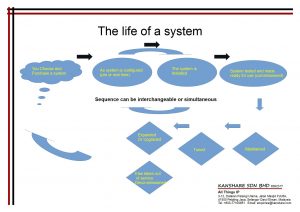
The search
In the choice of fulfilling a need or want with the use of systems or solutions, the product aspect of choice is only a small portion in most cases, exceptions being pure out of the box consume and dispose products. These would be like bread toasters, lights in bulb or tube formats (all inclusive of other forms too.), tvs, radios, ovens, washing machines and more. These items configuration comes in forms of hard add ons or settings that can be varied in its limited preset ways. Adaptability has come down to a package form. Any need not met is addressed by finding a model more suitable or adjusting your needs to your chosen devices.
On the other extreme is the every element requires customisation and tweaking to your needs. These items too today have more and more become packaged in a manner on the options that you may choose or what it will interwork with. These are much like the banking solutions you buy, jewelry and much more.
The in between would be items that can be mixed and matched. They also work on a variety of options that fall into a certain category. Such as items that require wires. And how the wires can be laid or prepared. In an exposed manner or hidden. There are a whole host of options and choices in this “standard mix and match” segment. Items like security tools. CCTV, alarms, door access systems, cars and more.
For these a search and evaluation period is required. The best case would be a consultant or a good sales person. But in the later category without a little home work on your own to get a feel and understanding may lead to a skewed to the brand of their benefit. ( i say this in the manner where either they have expertise on the more positive segment to the part where they get rewarded for choosing those items.) As such it is a tricky mine field for the purchaser of today. Integrity apparently is a rare quality.
The decision
Next when you move on to the decision to purchase comes a choice of if its possible to get something that is preconfigured and delivered or configured on site. The preconfigured variant normally implies that it can also be easy enough for you to manage or that the cost to reconfigure could be considerably lower as it would be possible to use remote solutions for adjustment and maintenance. But not necessarily so though.
Installation
Normally at the installation stage, its more of an out boxing and connecting all components.
The configuration
Most systems in the middle tier and upper tiers require some configuration. What is configuration? Read more in our upcoming article to have a better understanding. But to proceed at this level, the lowest level of configuration requires the input of some basic settings of the level you want your product to perform at or start up. Yes todays products starting level if is up to current demand is workable out of the box. And configuration normally could be tweaking or personalising.
The testing and commissioning
Once installation and configuration has been complete. A test from basic to vigorous should be attempted before daily use. But you can go the use and fix method too.
Maintenance cycle.
After all use, there should be some maintenance introduced from a basic clean and check up to a more vigorous disassemble and reassemble replacing worn parts if not at least inspecting for wear and approximating end of life. (replacement period).
Expand or upgrade, replacement could be in the cards
If you had purchased a roboust product from technology to durability you will have the option to expand or upgrade its capacity, capabilities with features or more. You will once again head down the search, decision and act path once again. But if its on an expand or upgrade the choices should be more limited. Not necessarily cheaper. But in todays agenda reuse, and extending life is the mandate to keep landfills at controllable levels. Should replace come up due to expiry of the use due to wear or currentness, then your decision process will lead you back into a wider scope to explore as when you first got into this cycle.
And in conclusion there brings you back to the beginning of this article.


